

 ПН - ПТ 8:00-18:00


Chloromethane (CH3Cl)
-
Basic info:
-
English name
methyl chloride
-
CAS
74-87-3
-
Hazard info
1063
-
Transport
Subclass 2.3
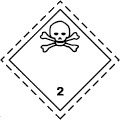
"ADR Class 2, 1 TOC"
Properties:
-
Molar mass
50.4877
-
Gas density at 15°С/1,013 bar
0.915
-
Boiling point at 1,013 bar
-24.2
Options
- single-piece
50 l (200) — 200 bar
- Cylinder 1 l, 2 l, 5 l, 12 l, 20 l, 50 l, 59.5 l, 112 l. (DIN 1) DIN 1 (W21,6x1/14'' LH)
Specs
| Chloromethane 3.0 | ||
|---|---|---|
| Composition | ||
| CH3Cl | % | ≥99,9 |
Methane chloride (monochloromethane, methyl chloride) is obtained by the reaction of methanol with hydrogen chloride
It may form a flammable mixture with air. May react intensely with oxidants. It can decompose rapidly under high temperature and/or pressure and in the presence of a catalyst.
- Colorless transparent liquid
- Turns into gas upon exposure to the atmosphere
- Sweetish odor
- Toxic gas
- Flammable
- Has mild narcotic effect
Used for producing lead-based gasoline additives (tetramethyllead). As a chemical intermediate in the production of silicone polymers. As a solvent in the production of butyl rubber and gasoline purification. Used as a methylating or chlorinating agent in organic chemistry.
Used for: removing greasy contaminants, resin traces, as rocket fuel, for producing polystyrene foam. As a local anesthetic, as an intermediate product in drug synthesis, as a carrier in low-temperature polymerization, as a liquid for thermometric and thermostat equipment, as a herbicide.
 Oil and Gas
  Chemical industry
  Power industry
 Transportation of cylinders should be carried out in a horizontal position with spacers between the cylinders or in a vertical position with mandatory protection against possible falling. Transportation in packaged form in special containers is allowed.
Joint transportation with cylinders containing oxygen is not allowed.
Movement/transportation must comply with the codes of the respective type of transport, federal laws, other regulatory acts, and the legislation of the country where the movement/transportation/reloading occurs.
Can be transported by
- train
- truck
- ship